
Les kits solaires présentent un bon moyen pour commencer dans la production d’électricité verte. L'utilisation des kits solaires vous aide à économiser les factures d'énergie durant toute l'année. Les panneaux solaires en autoconsommation sont nécessaires dans la...
Odac-info.org

Penser Bio, Nature et Environnement
à la une
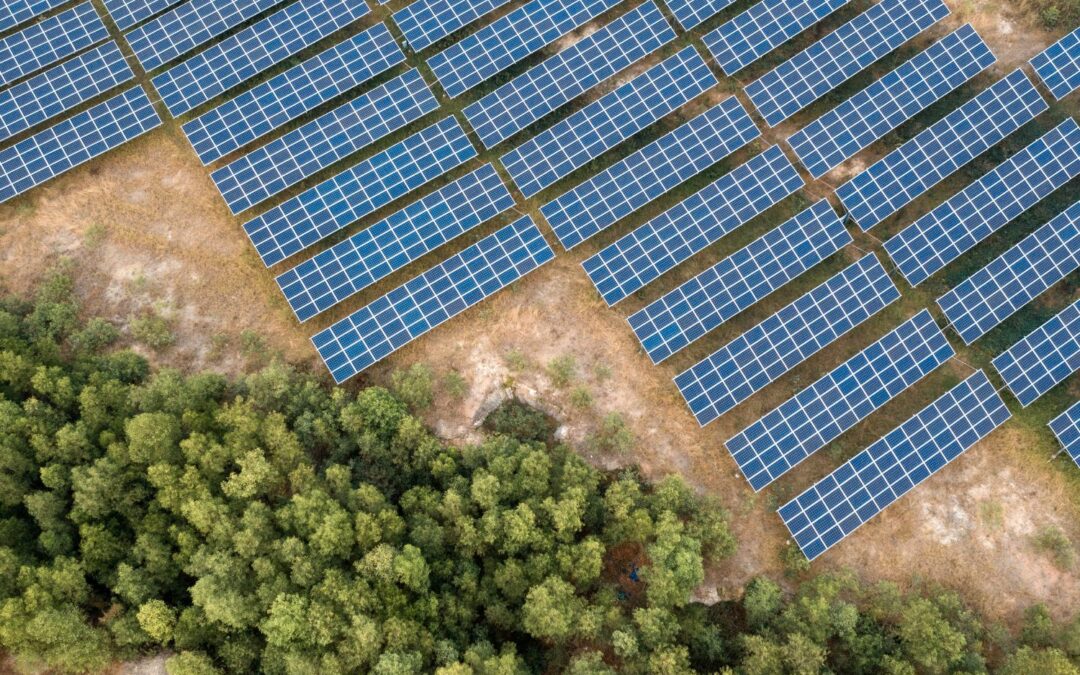
Les tarifs liés aux panneaux solaires d’autoconsommation
Les kits solaires présentent un bon moyen pour commencer dans la production d’électricité verte. L'utilisation des kits solaires vous aide à économiser les factures d'énergie durant toute l'année. Les panneaux solaires en autoconsommation sont nécessaires dans la...

Produits Bio
Les produits bios sont bénéfiques pour la santé en plus d’être respectueux de l’environnement

Préservation de la nature
Préserver la nature est un enjeu primordial de nos jours, vous trouverez astuces et conseils pour atteindre cet objectif dans votre vie de tous les jours

Sensibilisation
Sensibilisez vous sur la protection de l’environnement grâce aux nombreux articles du site
Bio
Bio

L’Apithérapie : Quand la ruche devient une source inestimable de beauté
L'Apithérapie : Quand la ruche devient une source inestimable de beauté La nature, dans sa sagesse infinie, a toujours été une source précieuse de remèdes et de soins pour l'homme. L'un des trésors les plus méconnus de la nature est la ruche d'abeilles. Au-delà du...
L’Apithérapie : Quand la ruche devient une source inestimable de beauté
L'Apithérapie : Quand la ruche devient une source inestimable de beauté La nature, dans sa sagesse infinie, a toujours été une source précieuse de...
Bio

Comment créer du dentifrice soi-même ?
Vous souhaitez créer votre propre dentifrice pour prendre soin de votre santé bucco-dentaire ? Vous souhaitez éviter l'utilisation de produits chimiques et de produits dangereux pour votre santé ? Si c'est le cas, alors vous êtes au bon endroit. Dans cet article, nous...
Comment créer du dentifrice soi-même ?
Vous souhaitez créer votre propre dentifrice pour prendre soin de votre santé bucco-dentaire ? Vous souhaitez éviter l'utilisation de produits...
Bio

Les aliments fermentés, véritables alliés pour votre santé
Les aliments fermentés sont de plus en plus populaires dans le monde entier, et ce n'est pas un hasard. En effet, la fermentation apporte de nombreux avantages pour la santé, notamment pour votre système digestif et votre flore intestinale. Dans cet article, nous...
Les aliments fermentés, véritables alliés pour votre santé
Les aliments fermentés sont de plus en plus populaires dans le monde entier, et ce n'est pas un hasard. En effet, la fermentation apporte de...
Nature
Les initiatives pour réduire l’utilisation des pesticides et des produits chimiques en agriculture.
Les pesticides et les produits chimiques utilisés en agriculture sont au cœur de nombreux débats en raison de leurs impacts sur l'environnement et...
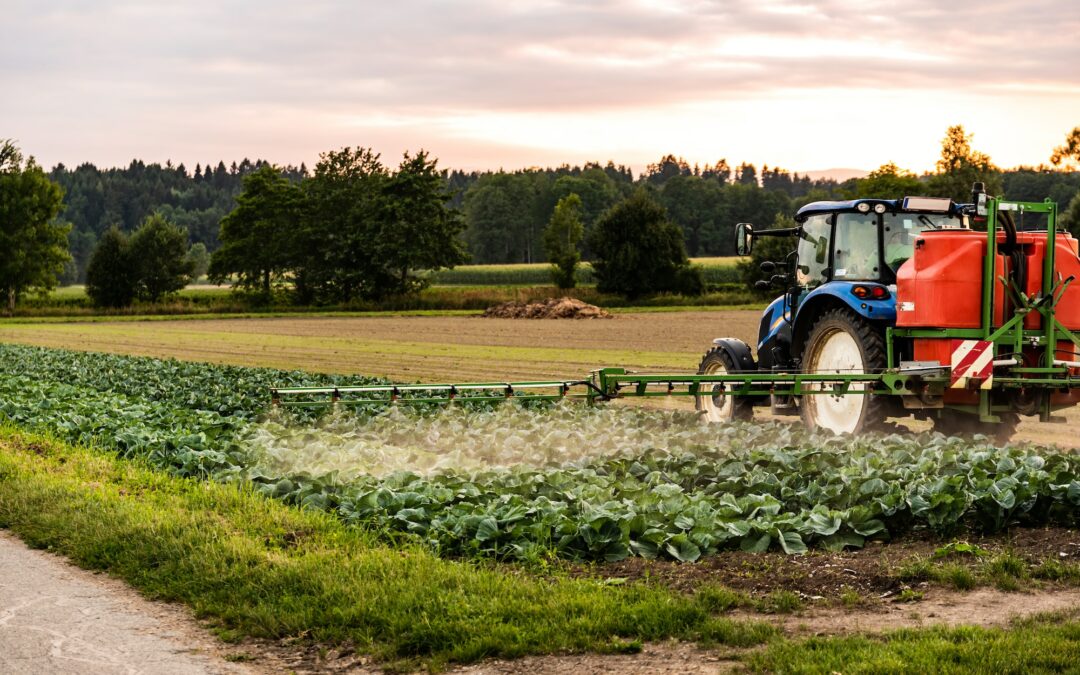
Les initiatives pour réduire l’utilisation des pesticides et des produits chimiques en agriculture.
Les pesticides et les produits chimiques utilisés en agriculture sont au cœur de nombreux débats en raison de leurs impacts sur l'environnement et la santé des consommateurs. Face à ces enjeux, la France s'engage depuis plusieurs années dans la mise en place...
Nature
Les pratiques des éleveurs pour une production bio et locale respectueuse de la nature
Dans une ère où l'environnement est au cœur des préoccupations, l'agriculture est plus que jamais un enjeu majeur pour préserver la biodiversité et...
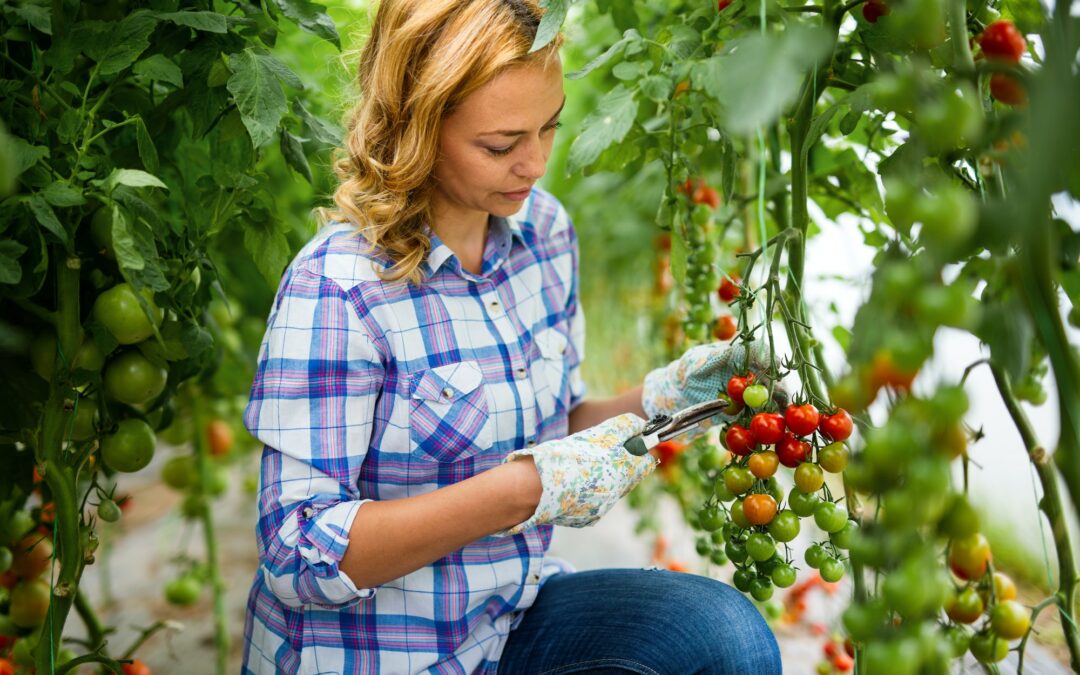
Les pratiques des éleveurs pour une production bio et locale respectueuse de la nature
Dans une ère où l'environnement est au cœur des préoccupations, l'agriculture est plus que jamais un enjeu majeur pour préserver la biodiversité et lutter contre les changements climatiques. En France, de plus en plus d'éleveurs et de producteurs adoptent des...
Nature
Les projets pour restaurer les zones humides et protéger les écosystèmes
Les zones humides sont parmi les écosystèmes les plus riches et les plus menacés de la planète. Elles jouent un rôle crucial dans la régulation du...

Les projets pour restaurer les zones humides et protéger les écosystèmes
Les zones humides sont parmi les écosystèmes les plus riches et les plus menacés de la planète. Elles jouent un rôle crucial dans la régulation du climat, la protection des communautés locales et la préservation de la biodiversité. Face à la dégradation des milieux...
Nature
Environnement
Environnement
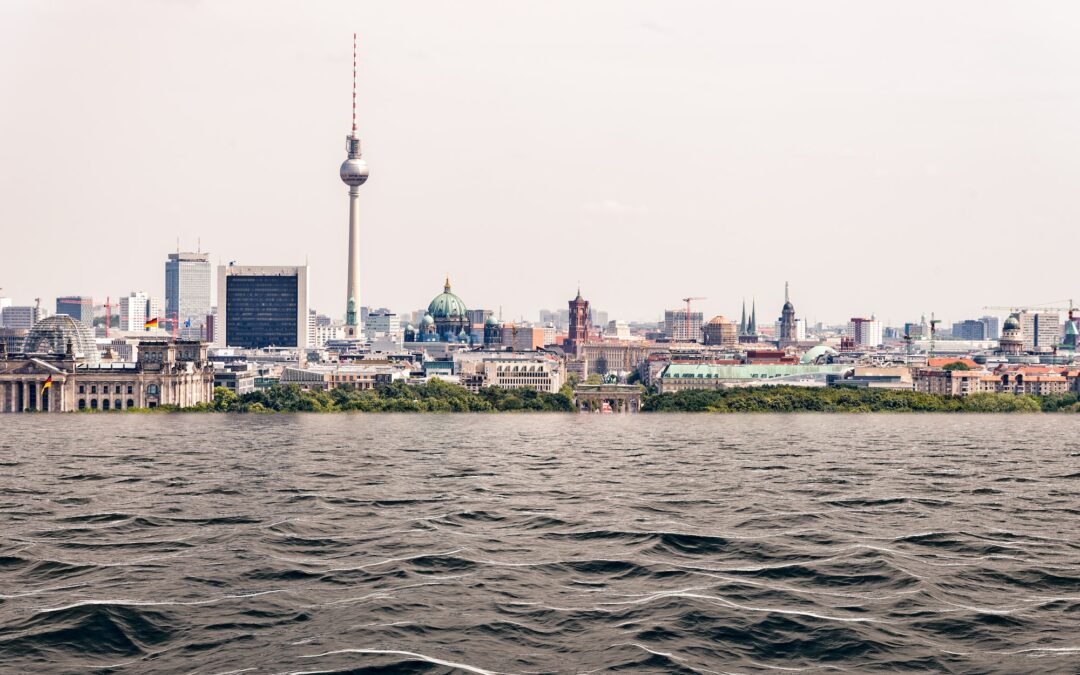
Les risques et les conséquences du dérèglement climatique pour les populations les plus vulnérables
Le dérèglement climatique est un enjeu majeur pour notre planète et ses habitants. Les populations les plus vulnérables, vivant dans les pays les moins développés et les zones géographiques les plus exposées, sont particulièrement touchées par les conséquences de ce...
Les risques et les conséquences du dérèglement climatique pour les populations les plus vulnérables
Le dérèglement climatique est un enjeu majeur pour notre planète et ses habitants. Les populations les plus vulnérables, vivant dans les pays les...
Environnement
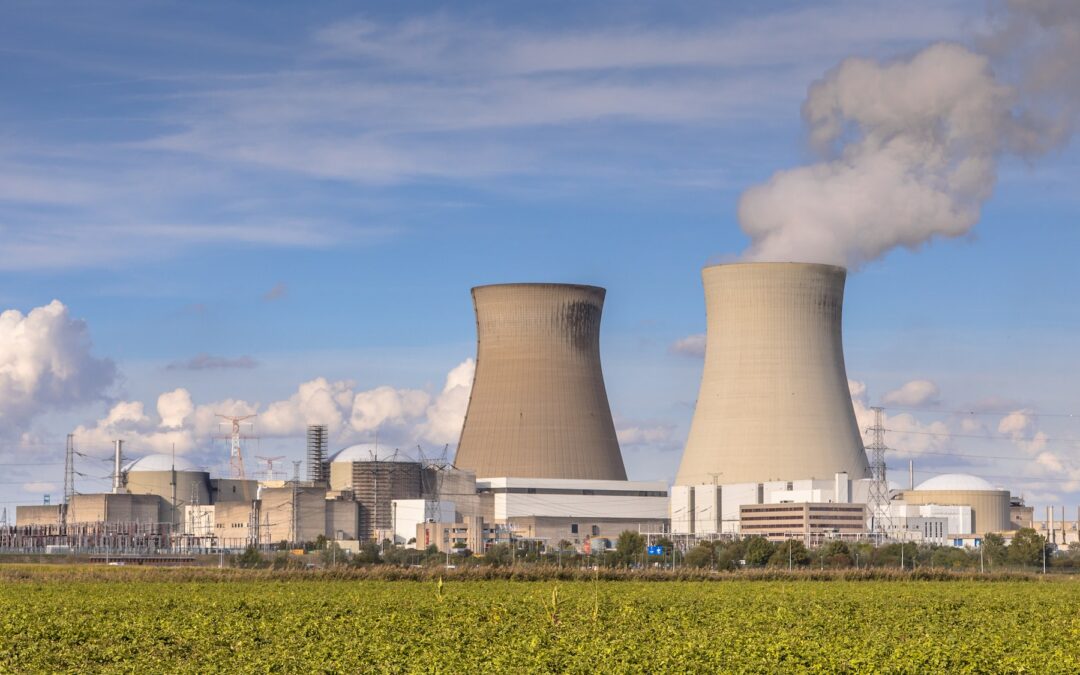
Les enjeux liés à la gestion des déchets nucléaires à long terme
La question de la gestion des déchets nucléaires se pose avec une acuité croissante, à mesure que le volume de ces déchets s'accumule et que les préoccupations environnementales prennent de l'importance. Face à ce défi majeur, l'industrie nucléaire et les autorités de...
Les enjeux liés à la gestion des déchets nucléaires à long terme
La question de la gestion des déchets nucléaires se pose avec une acuité croissante, à mesure que le volume de ces déchets s'accumule et que les...
Environnement
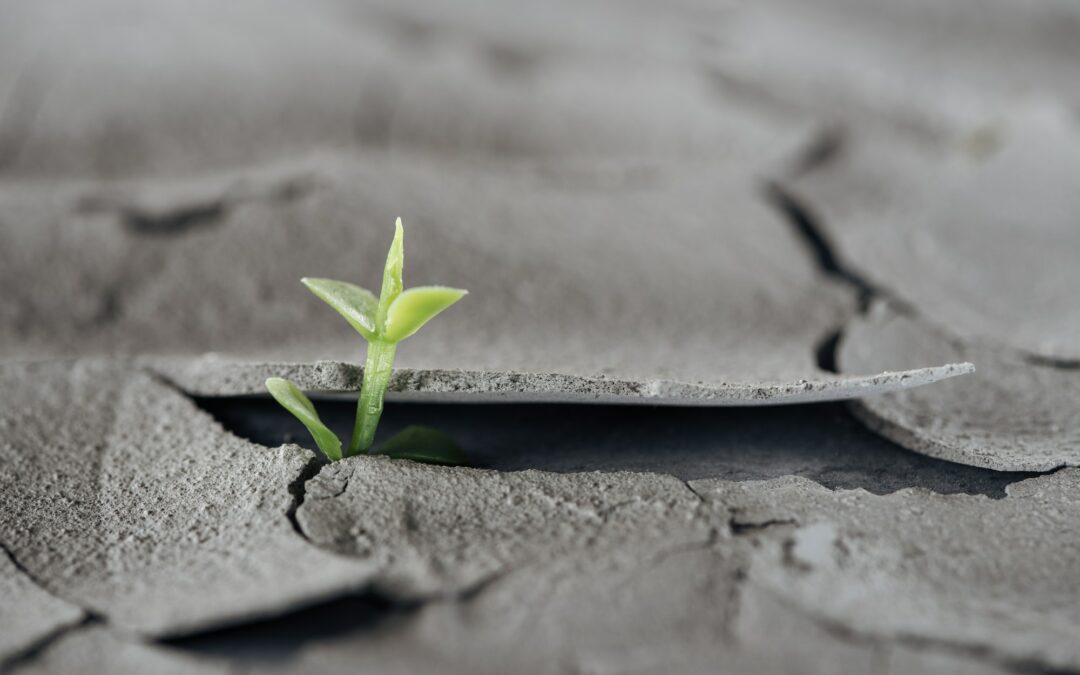
Les conséquences du réchauffement climatique sur les écosystèmes, les humains et la planète en général
Le réchauffement climatique est un enjeu majeur qui touche l'ensemble de notre planète. Les activités humaines, notamment les émissions de gaz à effet de serre, sont à l'origine de ce phénomène qui entraîne des changements climatiques inédits. Ces derniers ont un...
Les conséquences du réchauffement climatique sur les écosystèmes, les humains et la planète en général
Le réchauffement climatique est un enjeu majeur qui touche l'ensemble de notre planète. Les activités humaines, notamment les émissions de gaz à...
Bonjour à tous, bienvenue sur notre blog nature ! Nous avons pour vocation de vous aider à adopter une démarche plus verte et éco-responsable dans votre quotidien. En effet, avec l’essor de la mondialisation, la pollution augmente en corrélation. Il est ainsi primordial que chacun d’entre nous adopte les bons gestes au quotidien.
Des astuces et des conseils vous seront partagés afin de vous aider à adopter un mode de vie plus responsable. Même à votre niveau, vous avez l’opportunité de faire changer les choses !
Nos Partenaires