ODAC Newsletter - 10 July 2009
Welcome to the ODAC Newsletter, a weekly roundup from the Oil Depletion Analysis Centre, the UK registered charity dedicated to raising awareness of peak oil.
The oil price ran out of steam this week as economic green shoots are proving slow to show, US gasoline stocks grew more than anticipated, and a second US stimulus package is now being talked about. The price on Thursday hovered around $60/barrel.
The volatility of the oil price is according to Gordon Brown and Nicolas Sarkozy, one of the key threats to global economic recovery. In a piece in the WSJ published to coincide with the G8 meeting in Italy, they stated that “The surge in prices last year gravely damaged the global economy and contributed to the downturn. The risk now is that a new period of instability could undermine confidence just as we are pushing for recovery.” Their proposed tactics to deal with the issue include closer regulation of commodities trading as well as greater cooperation between producers and consumers. A failure to address the fact that oil is a limited resource which is reaching a peak of supply will mean that ultimately Messrs Brown and Sarkozy are looking in the wrong place for a solution to their economic problems.
The decline of the UK Oil and Gas Industry was the subject of another report this week, this time from the industry body Oil & Gas UK. The report warned that activity in exploration this year has fallen by 57%, a fact that threatens to result in a steeper decline for the industry than the 4-6%/year forecast. Even before the global recession UK oil and gas was losing investment as costs increase and the size of new finds decreases. The economic impact to the UK of this decline will be very significant. Given that the industry offset the UK balance of payments to the tune of £40 billion in the last year, the economic challenges ahead continue to pile up.
Join us! Become a member of the ODAC Newsgathering Network. Can you regularly commit to checking a news source for stories related to peak oil, energy depletion, their implications and responses to the issues? If you are checking either a daily or weekly news source and would have time to add articles to our database, please contact us for more details.
Disclaimers
Oil
‘Rogue broker’ blamed for oil spike
The startling spike in oil prices to their highest level this year on Tuesday was caused by a rogue broker who placed a massive bet in the Brent oil market, triggering almost $10m (€7m) of losses for his company.
PVM Oil Associates, the world’s largest over-the-counter oil brokerage, said on Thursday it had been the “victim of unauthorised trading”. The privately owned company said that as a result of the unauthorised trades it had been forced to close substantial volumes of futures contracts at a loss.
London-based PVM said it had informed the Financial Services Authority, the UK regulator. But officials at the Commodity Futures Trading Commission, the US regulator, claimed they had been kept in the dark for several hours in spite of an agreement between the watchdogs last year to exchange such market-sensitive information spontaneously.
Oil traders in London and New York said the “unauthorised trading” explained the exceptional spike in business activity and prices in the early hours of Tuesday that some initially thought must have been caused by a geopolitical event. “Trading volumes rose overnight and prices jumped more than $2 a barrel without apparent justification,” a senior oil trader in New York said.
Prices rose in one hour from $71 to $73.5, the highest level for the year, according to Reuters data. In total, futures contracts for more than 16m barrels of oil changed hands in that hour – equivalent to double the daily production of Saudi Arabia, the world’s largest oil producer, and far more than the traditional 500,000 barrels for that time of the day.
Traders said the broker implicated had allegedly accounted for at least half of the unusual activity, with the rest the result of others chasing the rally. Oil prices on Thursday fell to $66.5 a barrel, down almost 10 per cent from Tuesday’s peak.
The Financial Times has identified the PVM broker as Steve Perkins. PVM declined to comment and Mr Perkins could not be reached. Fellow traders said Mr Perkins was considered an experienced broker, well-regarded in the market.
This is the second episode of rogue trading in the oil market this year. In May, an oil trader at Morgan Stanley was banned by the City watchdog after he hid from his bosses potential losses on trades made under the influence of alcohol.
The incidents come as regulators are considering tougher oversight of the commodities markets after policymakers complained that speculators fuelled last year’s surge in oil and agriculture prices.
The involvement of PVM is ironic considering the company’s head, David Hufton, has been an outspoken critic of speculators in the oil market, calling some of the exchanges “electronic oil casinos”. In 2006, he said that “if futures exchanges did not exist, oil prices would be a lot lower”.
The $10m loss is a heavy blow for PVM, which reported profits of just $5.6m in the year to July 2008, according to its accounts.
Additional reporting by Brooke Masters
We Must Address Oil-Market Volatility
For two years the price of oil has been dangerously volatile, seemingly defying the accepted rules of economics. First it rose by more than $80 a barrel, then fell rapidly by more than $100, before doubling to its current level of around $70. In that time, however, there has been no serious interruption of supply. Despite ongoing conflict in the Middle East, oil has continued to flow. And although the recession and price rises have had some effect on consumption, medium-term forecasts for demand are robust.
The oil market is complex, but such erratic price movement in one of the world's most crucial commodities is a growing cause for alarm. The surge in prices last year gravely damaged the global economy and contributed to the downturn. The risk now is that a new period of instability could undermine confidence just as we are pushing for recovery.
Governments can no longer stand idle. Volatility damages both consumers and producers. Those who rely on oil and have no substitutes readily available have been the victims of extreme price fluctuations beyond their control -- and apparently beyond reason. Importing countries, especially in the developing world, find themselves committed to big subsidies to shield domestic consumers from potentially devastating price shifts.
In Britain and France we also know how the price of crude dictates the price of petrol at filling stations and the effect on families and businesses. For countries heavily reliant on income from oil exports, the windfalls from brief price surges are offset by the consequent difficulties of planning national budgets and investment strategies.
Extreme fluctuations in price are encouraging energy users to reconsider their reliance on oil. The International Energy Agency, for instance, has cut its long-term forecast of oil consumption by almost a quarter. Producers are in danger of finding that their key national resource loses both its market and its long-term value.
More immediately, we as consumers must recognize that abnormally low oil prices, while giving short-term benefits, do long-term damage. They diminish incentives to invest, not only in oil production but also, in our own countries, in energy savings and carbon-free alternatives. As such, future problems are stored up in the form of shortages, greater dependence and an acceleration of global warming. Upstream investment worldwide is already down by 20% over the past year. And with some sources of supply in decline, such as Alaska and the North Sea, the resource we will all need as the economy recovers is being developed in neither an adequate nor a timely way.
There are no easy solutions and any progress must be made with the full co-operation of the world community and the oil industry. On Monday we used the U.K.-France summit in Evian to explore a way forward. We hope our ideas inform meetings both today, at the Group of Eight Summit in Italy, and in future talks between world leaders.
We are committed to intensifying the ongoing dialogue between producers and consumers through the International Energy Forum. Saudi Arabia and OPEC have expressed interest in this and we believe producers and consumers are closer now than at any time in the past 30 years to recognizing the huge common interest in giving clear and stable perspectives to long-term investment.
At the London Energy Meeting last December, all participants agreed that still closer co-ordination between the IEA, OPEC and the IEF was necessary to develop a shared analysis of future demand and supply trends. The Expert Group of the IEF should use this work to arrive at a common long-term view on what price range would be consistent with the fundamentals.
The experts should also consider any measures that could be put in place to reduce volatility. Discussions should look again into the question of whether trading activity is amplifying erratic price movements.
We therefore call upon the International Organization of Securities Regulators to consider improving transparency and supervision of the oil futures markets to reduce damaging speculation and to take forward the recommendations already made by its taskforce in March. This would serve the interests of orderly and adequate investment in future supplies. Volatility and opacity are the enemies of growth. In the absence of transparency, consumers and importing nations are losing confidence in oil. Climate change is also altering government attitudes to energy.
The world's economy is still reliant on secure supplies at prices that are not so high as to destroy the prospects of economic growth but not so low as to lead to a slump in investment, as happened in the 1990s.
It is a thorny issue, but complex markets need not be volatile or damaging to the wider global economy. We are convinced that producers and consumers alike would benefit from greater transparency, greater stability and greater consensus on the market fundamentals. After two years of destructive volatility the time has come for both sides to work together to build on this common interest.
Mr. Brown is prime minister of the United Kingdom. Mr. Sarkozy is president of France.
U.S. Considers Curbs on Speculative Trading of Oil
Reacting to the violent swings in oil prices in recent months, federal regulators announced on Tuesday that they were considering new restrictions on “speculative” traders in markets for oil, natural gas and other energy products.
The move is a big departure from the hands-off approach to market regulation of the last two decades. It also highlights a broader shift toward tougher government oversight under President Obama.
Since Mr. Obama took office, the Justice Department has stepped up antitrust enforcement activities, abandoning many legal doctrines adopted by the Bush administration.
The Obama administration is also proposing an overhaul of financial regulation that would include tougher capital requirements for big banks, tighter regulation of hedge funds and a new consumer protection agency with broad power to regulate credit cards, mortgages and other consumer lending.
In the case of oil and gas trading, regulators made it clear that they were willing to move, without waiting for Congress to act on Mr. Obama’s overhaul, invoking their existing powers.
The Commodity Futures Trading Commission said it would consider imposing volume limits on trading of energy futures by purely financial investors and that it already has adopted tougher information requirements aimed at identifying the role of hedge funds and traders who swap contracts outside of regulated exchanges like the New York Mercantile Exchange.
“My firm belief is that we must aggressively use all existing authorities to ensure market integrity,” said Gary Gensler, chairman of the commission, in a statement. He said regulators would also examine whether to impose federal “speculative limits” on futures contracts for energy products.
Much of Mr. Gensler’s announcement was focused on precise issues well within his agency’s authority, suggesting that he was serious about seeking changes. But his proposals could encounter fierce opposition from big banks and Wall Street firms, which are each big traders in the commodity markets and manage big investment funds focused on commodities. Oil prices hit a record high of $145 a barrel last summer, then plunged to $33 a barrel last December and have since bounced back to more than $60.
Much of the wild swings over the last year were caused by chaos in the global financial system, as banks and much of Wall Street came perilously close to collapse last September and the global economy fell into the most severe recession in decades.
But a growing number of critics have blamed those who are betting on the direction of energy prices for some of the extreme volatility.
“It is the regulatory authority’s business to make sure the markets work,” said Edward L. Morse, head of research at LCM Commodities, a brokerage in New York. “If there’s a lesson of that last few years, it’s that the markets haven’t been functioning as well as they should have been.”
Analysts said regulators face huge challenges in distinguishing normal volatility, which is always high during a chaotic economic period, from speculative swings propelled by investors seeking purely financial gains who end up distorting energy prices.
Mr. Gensler appears focused on two basic goals. The first is to limit the volume of trading by purely financial investors, the “speculators,” as opposed to businesses like airlines or oil companies that consume or produce oil and want to minimize their exposure to big changes in price. But according to data compiled by the Commodity Futures Trading Commission, other noncommercial traders accounted for almost one-fifth of the activity in several major oil and gas products for June.
The government already imposes speculative limits on agricultural commodities like corn and wheat. But for energy products, the limits are left to exchanges like the New York Mercantile Exchange. Mr. Gensler said the limits that have been set in the past have never been aimed at reducing speculative excesses, and financial traders often receive exemptions.
The government’s second goal is to shed more light on who the players really are.
The commission also announced that it will pull back part of the veil on the oil and gas markets, publishing much more detailed information about the aggregate activity of hedge funds and tapping into new information about traders who swap energy contracts outside of traditional exchanges.
Mr. Gensler’s proposals are likely to be opposed by the banks and Wall Street firms that arrange swap contracts in the commodity markets and operate funds that invest in commodities.
Mr. Gensler is in some ways a surprising person to lead the charge for tougher regulation. A former investment banker and a high-ranking Treasury official during the Clinton administration, he was among those who defeated efforts in the late 1990s to regulate financial derivatives, an effort led by one of Mr. Gensler’s predecessors at the futures trading commission, Brooksley E. Born.
Several important Senate Democrats opposed Mr. Gensler because they suspected he was too friendly to industry. Senator Byron L. Dorgan, Democrat of North Dakota, voted against Mr. Gensler’s nomination and said on Tuesday that he wanted to see the chairman follow through with actual rules.
“I welcome the announcement,” Mr. Dorgan said in a written statement. “but it is only concrete action that will prove the C.F.T.C. is finally an effective cop on the beat.”
The commission is an independent agency that regulates the trading of futures contracts for commodities including wheat, corn, oil, precious metals and currencies. For years it has followed a deregulatory path that rarely interfered the growing markets under its jurisdiction.
A future is a contract to buy or to sell a particular volume of a commodity by a particular date. Futures contracts were created to help farmers shield themselves from price volatility for their crops, and speculators absorb that risk by buying contracts that allow them to bet on price swings. Futures are now used to trade a wide variety commodities, including oil, gas, precious metals, Treasury bonds and foreign currencies.
Crude Oil Is Set for Biggest Weekly Decline Since January
Crude oil fell, headed for its biggest weekly decline since January on concern a prolonged global recession will sap demand for energy.
Oil has dropped 11 percent this week on speculation fuel consumption in the U.S., the biggest energy-using nation, will remain subdued. Gasoline stockpiles increased over the Independence Day weekend, the peak of the summer driving season, a July 8 report showed. Yesterday, futures touched $59.25 a barrel, the lowest intraday price since May 19.
“The No. 1 factor is still demand -- it all goes back to the economy,” said Ken Hasegawa, a commodity derivatives sales manager at brokers Newedge in Tokyo. “It’s possible we’ll test yesterday’s low. If the market goes down further from here, we could see more selling orders.”
Crude oil for August delivery fell as much as 89 cents, or 1.5 percent, to $59.52 a barrel on the New York Mercantile Exchange, and was at $59.65 at 3:57 p.m. in Singapore, poised for a fourth week of decline. Futures rose 0.5 percent to $60.41 yesterday, snapping six days of losses, the longest losing streak this year.
“Crude oil bulls are hanging in there, albeit by the thinnest of margins,” said Stephen Schork, president of Villanova, Pennsylvania-based consultant Schork Group Inc. “If the bulls are going to put up a defense, this is where it will occur. If they fail, the path toward a $40-handle will be wide open.”
Reduced Appeal
The dollar rose against the euro, reducing the appeal of commodities as a hedge against inflation.
The dollar traded at $1.3915 per euro at 2:43 p.m. in Singapore, from $1.4020 in New York yesterday.
Oil may fall next week on speculation the global recession and payroll cuts will constrain demand and keep U.S. supplies ample, a Bloomberg News survey of analysts showed.
Nineteen of 41 analysts surveyed, or 46 percent, said futures will decline. Nine expect the market will be little changed and 13 forecast that oil prices will rise.
“With a poor economic outlook for the future, oil is going to be pressured to come down in price,” said Mike Sander, an investment adviser with Sander Capital in Seattle. “Just as exuberance pushed oil higher in the second quarter, pessimism could easily push oil lower in the third quarter.”
U.S. gasoline inventories climbed 1.9 million barrels to 213.1 million last week, an Energy Department report on July 8 showed. Stocks of distillate fuel, a category that includes diesel and heating oil, climbed 3.74 million barrels to 158.7 million, the biggest increase since January. The gain left distillate stockpiles 30 percent higher than the five-year average.
IEA Report
The International Energy Agency will release its monthly Oil Market Report today. The Paris-based agency June 11 raised its global oil demand forecast for the first time in 10 months, citing signs the economic slowdown is abating.
Gasoline for August delivery in New York dropped as much as 1.3 percent to $1.6425 a gallon.
Brent crude for August settlement on London’s ICE Futures Europe exchange fell as much as 82 cents, or 1.3 percent, to $60.28 a barrel. Prices are down 8 percent this week.
UK facing 'energy crunch' as North Sea oil and gas cash dries up
The UK is heading for an "energy crunch" after new oil and gas exploration in the North Sea dropped 57pc in the first half of this year.
A report by Oil & Gas UK, the industry group, showed that companies are cutting back on new projects as costs rise and funding is scarce during the recession.
Investment in the industry fell to £4.8bn last year, down £1.2bn over the last two years, and it could drop below £3bn next year. The report estimates that £5bn a year is needed to maintain exploration.
Malcolm Webb, chief executive of UK Oil & Gas, said billions of barrels may never be extracted if the lack of investment causes oil and gas fields to shut prematurely.
"Last year, we had the credit crunch, next year we are looking at an energy crunch," said Mr Webb, whose organisation represents 85 oil and gas companies. "I'm still very concerned about the lack of investment."
Domestic reserves still account for about two-thirds of all the UK's primary energy needs, but reliance on foreign imports is increasing as domestic production is currently dropping by 5pc a year. Mike Tholen, economic adviser for Oil & Gas UK, said the fall was likely to accelerate to 7.5pc over the next few years.
In the worst case, the North Sea could provide just 500,000 barrels of oil equivalent per day by 2012 – or just 12pc of the UK's energy demand. If investment is maintained, domestic production could still meet 40pc of Britain's needs.
Oil producers believe it is still possible to extract 37bn barrels from the North Sea. However, declining investment means as little as 11bn barrels may be recovered before fields are decommissioned.
"Ministers say it would be regrettable if production is at the lower end of estimates. We think this is an understatement," Mr Webb said.
Oil & Gas UK has long been calling for the tax burden on the energy industry to be cut. At its current level, the sector provides £13bn – or 30pc – of all UK corporation tax receipts.
Chancellor Alistair Darling announced measures to incentivise exploration for new fields in the Budget, but oil companies have criticised the lack of tax breaks for existing fields.
Separately, Tullow Oil , the UK oil explorer, said revenues were expected to drop 23pc in the first half on reduced activity in the North Sea and the lower oil price.
Revenues at Tullow Oil are expected to fall to £290m in the first half, despite the development of African fields to offset falling UK production. Its share price tumbled 27, or 3pc, to 863½p.
Problems with Tullow's North Sea operations have seen output fall by 16pc to 59,000 barrels of oil a day compared with last year.
The price of US crude oil fell to a two-month low of $62 per barrel on Wednesday, on fears of slower than expected economic recovery.
EIA raises 2009 world oil demand forecast
The U.S. Energy Information Administration on Tuesday once again raised its world oil demand forecast for this year as the global economy gradually improves.
In its monthly energy outlook, the EIA increased its 2009 global oil demand projection to 83.85 million barrel per day (bpd), up 170,000 bpd from its June estimate of 83.68 million bpd. World oil demand this year is still well below 2008 levels of 85.41 million bpd.
The agency said consumption will rebound to 84.79 million bpd in 2010, up 380,000 bpd from the previous estimate of 84.41 million.
The slumping economy had prompted months of major downward revisions before the agency increased its oil demand projection for 2009 by 10,000 bpd last month.
The change reflects some positive economic news from the world's largest petroleum consuming countries, including the United States and China.
"In particular, there has been stronger economic activity in Asia than was previously anticipated, and the current forecast reflects higher expected oil consumption in that region," the EIA said.
Optimism that a potential economic recovery could lift flagging fuel demand has helped lift crude prices from below $33 a barrel in December to more than $70 a barrel last month.
While the price gains have fueled concerns that higher energy costs could dampen any economic recovery, oil has fallen back to around $63 a barrel due to weaker economic data, including last week's grim jobless data.
The agency actually lowered its 2009 U.S. demand forecast by 10,000 bpd to 18.85 million bpd, down from 18.86 million bpd in a previous forecast.
Editing by Lisa Shumaker
Demand for oil in the OECD will not recover until 2013, says Opec
The developed world's demand for oil will not recover from the effects of global recession for another four years, the cartel of producing nations predicted yesterday.
Consumption will rise slower than expected over the short- and medium-term, the 13-strong Organisation of Petroleum Exporting Countries (Opec) says in a report.
Global demand will drop to 84.2 million barrels per day (bpd) this year – compared with 85.6 million bpd in 2008 – only recovering to last year's levels by 2011. By 2013 it will still be at 87.9 million bpd, 5.7 million bpd less than previously thought. But for OECD countries, the outlook is more depressed. Demand will drop from last year's 47.5 million bpd to just 45.5 million bpd in 2010, and remain stagnant until 2013, Opec says.
"At present, despite the bold fiscal and monetary intervention from governments, global economic conditions remain gloomy," Abdalla Salem El-Badri, Opec's secretary general, said.
Longer term forecasts have also been revised down. By 2030, global demand for Opec oil will hit 106 million bpd, 7.7 million bpd – or roughly the daily consumption of China – lower than previous forecasts. Growth will come from developing countries, their consumption rising by 23 million bpd between 2008 and 2030.
Despite Opec countries' income from oil and gas exports topping $1 trillion (£623bn) last year thanks to a record barrel price of $147, 35 projects have been postponed because of the recession, representing about five million bpd. Opec predicts investment levels to 2013 will drop by about $45bn.
Mr Al-Badri described the current $60-plus oil price as "comfortable", but still below the $75-plus Opec says it needs to secure investment.
London Brent Crude slipped below $63 yesterday but the price has more than doubled this year, peaking at nearly $72 last week and rising faster in May than at any time for a decade. Against a background of dismal fundamentals, the rises have prompted renewed claims that speculators are skewing the market.
Gordon Brown and Nicolas Sarkozy, the French President, will be using this week's G8 summit to drum up support for calls for stricter curbs on future markets. They also want oil producers to agree a target price range based on long-term estimates of fundamentals but the proposal is likely to gain little traction with Opec.
Nigerian Rebels Sabotage Shell, Agip Oil Pipelines
The Movement for the Emancipation of the Niger Delta said it sabotaged trunk lines run by Royal Dutch Shell Plc and Eni SpA’s Agip unit in its longest-running series of attacks against Nigeria’s oil industry to date.
The latest raid took place in Bayelsa state at about 2 a.m. local time, Jomo Gbomo, a spokesman for MEND, said today in an e-mailed statement. A pipeline feeding Eni’s Brass terminal was sabotaged at Nembe Creek, while Shell’s Nembe Creek line was damaged in the village of Asawo, Gbomo said.
Shell is investigating reports of “an incident” in the Nembe area, Tony Okonedo, the company’s Nigeria spokesman, said by phone from Lagos today. A pipeline was sabotaged around the Brass terminal, cutting off the equivalent of 24,000 barrels of oil a day, Eni said in a statement on its Web site today.
MEND has intensified attacks against oil installations in the oil-rich Niger River delta since the military began an offensive against its positions in May. The group has taken responsibility for 22 attacks on oil installations and one on a chemical tanker since May 25. MEND says it’s fighting for a greater share of the region’s oil wealth for local communities.
The rebel group rejected an amnesty offer from President Umaru Yar’Adua on June 25, saying the move failed to address key demands. Under the terms of the amnesty, fighters in the Niger River delta have until Oct. 4 to surrender their weapons, renounce violence and accept rehabilitation.
‘Incoherent’ Policy
Most fighters are unlikely to be swayed by the amnesty in the absence of a clear policy by Yar’Adua to deal with grievances in the oil region, Sebastian Spio-Garbrah, Africa analyst at Eurasia Group, said by phone from New York. “By and large the government’s Niger Delta policy has been incoherent and difficult to ascertain.”
Armed attacks in the delta, which accounts for almost all of Nigeria’s oil output, have cut more than 20 percent of the country’s crude exports since 2006. Nigeria is the fifth-biggest source of U.S. oil imports. Attacks reduced output to less than half of capacity of 3 million barrels a day, Petroleum Minister of State Odein Ajumogobia said in May.
“We could see oil production fall further dramatically to about 1 million barrels a day” on the attacks, Spio-Garbrah said.
MEND is seeking the “genuine, unconditional release” of its leader Henry Okah, who faces trial for treason and gun- running, the group has said. It also wants “true federalism,” which would give the delta region control of oil revenue while paying tax to the central government, and restitution for civilian victims of military raids in the area.
Firms challenge Iraqi oil auction
Several major Western oil corporations are in dispute with the Iraqi government over contracts to run six oil and two gas fields.
The contracts were offered in a televised auction last week.
Only one of the 32 approved bidders for the contracts, which include Shell, BP, Exxon and Total, has agreed to the oil ministry's terms.
The government has asked the rest to reconsider resubmitting their bids for the contracts that are left.
BP and China's CNPC have agreed to run the 17-billion-barrel Rumaila field after Exxon Mobil turned it down.
Taking a risk
With only one contract in place so far, energy analyst Alex Munro sees the agreements as a cautious first step.
"The model that Iraq has introduced is a service contract that doesn't give the companies a share of the oil that's produced," says Mr Munro.
"It pays them a fee," he adds.
"From that standpoint, the terms vary from other areas in the world, where the companies have an entitlement to physical barrels that are produced and can then benefit from upward changes in commodity prices, or even changes in rates of production, offering greater returns on the investment."
David Horgan, managing director of the Irish oil company Petrel Resources, thinks the deals on offer could be risky for them, especially given the uncertain business climate in Iraq.
"You're asking people to give you money without ownership title and with quite a lot of uncertainty about when, or even if, these deals will be ratified and implementable," he says, "whether there'll be sufficient co-operation from the Iraqi executives and workers to make these things work."
One reason Western oil firms are prepared to go back into Iraq on such unfavourable terms is competition from the Russians and the Chinese.
"Even if the Western companies act on commercial grounds and hold their fire, the fear is that the Chinese or the other national oil corporations will gazump them," said Mr Horgan.
"That fear of competition has led to the conclusion that the risks of staying out of Iraq are greater than the risks of going into Iraq."
Black gold
Iraq has the third-largest proven reserves in the world. Unlike most other untapped alternatives, its oil is cheap and easy to extract.
"These Iraqi oil fields could be developed at a few dollars a barrel," said Manuchar Takin of the Centre for Global Energy Studies.
"In other parts of the world, we are talking about $20 or $30 a barrel.
"Like the Arctic, West Africa or outside Brazil, or the Gulf of Mexico, oil is being produced, but at much higher costs and complicated technology."
The potential is huge, but the Iraqi oil industry is currently in very poorly state.
"Iraq's oil industry has been under national control since nationalisation in the mid-1970s and during that period, there's been very little interaction with the international oil sector," said Alex Munro, who is an Energy Analyst at Wood MacKenzie Consultants.
It was weakened by decades of conflict and international sanctions against Saddam Hussein, and then things became even worse in the chaos that followed the Iraq war in 2003.
Oil installations and pipelines were frequently attacked by insurgents.
Mr Horgan, who has been involved in Iraq for many years, points out that daily output is still below the pre-war level.
"Iraq's production is languishing at just 2.4 million barrels, it was about three million barrels under Saddam Hussein at a time of record sanctions and during a period of wars and civil strife," he said.
"Now the production has fallen 20% from that low level and the pressure in the short run is for it to fall further because, just as a lot of the infrastructure is rusting, the human infrastructure is also rusting."
Desperate state
Iraq's state-owned oil companies are desperately short of modern equipment, cash for investment and young trained staff.
"The Iraqis are under terrible stress, even to maintain their current production, and that's really quite depressing because 10 years ago, when we first got involved in Iraqi oil, we were thinking that production would be tripling or quadrupling," said Mr Horgan.
"We weren't thinking it was going to be falling in this period."
The Iraqi economy depends on oil, which provides 95% of government revenue and the bulk of national income.
The economic case for bringing in international energy companies to revive the oil sector has always been clear.
But it has taken a very long time to come together, mainly due to political issues and the fact that foreign oil companies are not popular in Iraq.
"Oil companies in those days with their concessions, acted like a state within a state," said Mr Takin.
"They were an arm of the Foreign Office, an intelligence sector of Britain or others, and the share of the revenue that those concession holders received was huge.
"They controlled the price and production, so there is that legacy and sensitivity," he added.
What the international energy companies ultimately want are lucrative exploration rights to Iraq's probably huge, but as yet undiscovered, oil deposits.
Russian 2009 Oil Output May Fall 0.9%, Bernstein Says
Russian oil production is likely to fall 0.9 percent this year from last year’s average of 9.78 million barrels a day amid declining drilling, Sanford C. Bernstein analyst Oswald Clint said in a research note.
While second-quarter production showed unexpected strength, the performance of individual companies, fields and assets “does not provide enough evidence to suggest that this strength is permanent,” the report said.
New Russian projects such as OAO Lukoil and ConocoPhillips’ Arctic Yuzhno-Khylchuyu field, which began production last year, and OAO Gazprom and Royal Dutch Shell Plc’s Sakhalin Energy venture have helped offset declines in West Siberia. OAO Rosneft expects to begin output from the Vankor field later this year.
“Expectations for new and longer term growth will be met with disappointment,” Clint wrote. “Across the larger oil producers, production is actually down 0.9 percent, or around 80,000 barrels per day, despite six new fields on stream.”
Russia’s average first-half rig count was about 3 percent below last year’s levels, after rising between 2004 and 2008, the report said. Cost pressures remain an issue in the oil sector with increases in pipeline tariffs across Russia, a higher crude export duty and climbing electricity charges, according to the report.
Nuclear
France imports UK electricity as plants shut
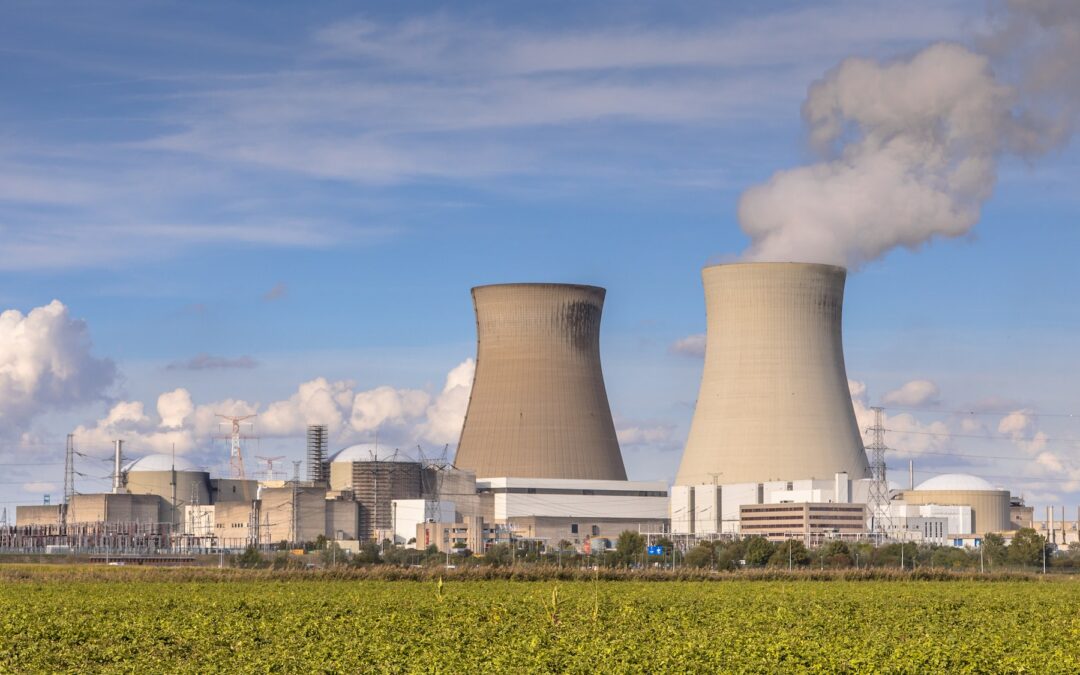
France is being forced to import electricity from Britain to cope with a summer heatwave that has helped to put a third of its nuclear power stations out of action.
With temperatures across much of France surging above 30C this week, EDF’s reactors are generating the lowest level of electricity in six years, forcing the state-owned utility to turn to Britain for additional capacity.
Fourteen of France’s 19 nuclear power stations are located inland and use river water rather than seawater for cooling. When water temperatures rise, EDF is forced to shut down the reactors to prevent their casings from exceeding 50C.
A spokesman for National Grid said that electricity flows from Britain to France during the peak demand yesterday morning were as high as 1,000MW — roughly equivalent to the output of Dungeness nuclear power station on the Kent coast.
Nick Campbell, an energy trader at Inenco, the consultancy, said: “We have been exporting continuously from this morning and the picture won’t change through peak hours, right up until 4pm.”
EDF warned last month that France might need to import up to 8,000MW of electricity from other countries by mid-July — enough to power Paris — because of the combined impact of hot weather, a ten-week strike by power workers and ongoing repairs.
EDF must also observe strict rules governing the heat of the water it discharges into waterways so that wildlife is not harmed. The maximum permitted temperature is 24C. Lower electricity output from riverside reactors during hot weather usually coincides with surging demand as French consumers turn up their air conditioners.
One power industry insider said yesterday that about 20GW (gigawatts) of France’s total nuclear generating capacity of 63GW was out of service.
Much of the shortfall this summer is likely to be met by Britain, which, since 1986, has been linked to the French power grid by a 45km sub-sea power cable that runs from Sellindge in Kent to Les Mandarins.
A statement from EDF played down the heat problems, saying that the French system continued to meet customer demands — but similar heatwaves have caused serious problems in France in the past.
In 2003, the situation grew so severe that the French nuclear safety regulator granted special exemptions to three plants, allowing them temporarily to discharge water into rivers at temperatures as high as 30C. France has five plants located by the sea and EDF tries to avoid carrying out any repairs to them during the summer because they do not suffer from cooling problems.
France’s first nuclear power station was built at Chinon, on the Loire, in 1964. Other riverside plants include Bugey (on the Rhône), Tricastin (Drôme), Golfech (Garonne) and Blayais (Garonne). Britain’s ten nuclear power plants, which supply 16 per cent of the country’s electricity, are all built on coastal sites so they do not suffer the same problem with overheating. But long periods of hot weather do still add to stress to the network. Gas-fired plants, which form a big part of Britain’s generating fleet, also need to reduce output during hot weather.
However, the recession has led to a 6 per cent fall in the UK’s electricity requirements because of weaker industrial demand, so the margin of spare generating capacity in Britain has grown. EDF earns about €3 billion a year exporting electricity to countries including Britain.
Renewables
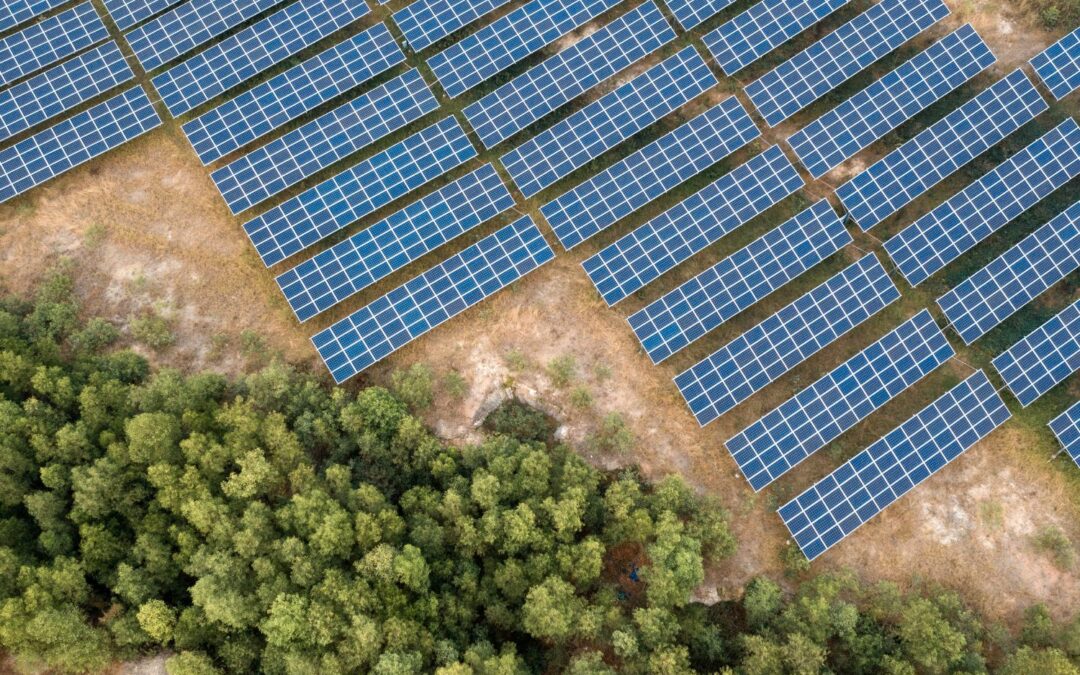
Wind power study allays risk fears
Increasing the amount of wind energy contributed to the electricity grid will not require large numbers of conventional coal- and gas-fired power plants to be kept on standby, according to a technical report published today. The report, commissioned by environmental groups including Greenpeace and Friends of the Earth, found that the UK's grid could cope with the variable energy input generated from wind farms.
David Milborrow, the author of the report, found that the UK could meet its targets of generating more than a third of electricity from wind by 2020 without raising the risk of blackouts and at a cost of an additional £2 for every £100 of electricity bills.
Some anti-wind campaigners have argued that relying on wind for a large proportion of energy supply would be impractical as conventional power stations would be needed as back-up.
Study pinpoints UK wind hotspots
The most comprehensive report of its kind has identified the UK's best locations for households to install micro-wind turbines, say its authors.
The Energy Saving Trust (EST) said some households could generate in excess of £2,800 worth of electricity a year.
However, it also concluded that other locations would actually lose money if a small-scale turbine was installed.
The EST is advising homeowners to visit its website, which will show whether a turbine will help them cut their bills.
The performance of domestic turbines have come under the spotlight in recent years, with critics saying the devices failed to generate the amount of electricity outlined by manufacturers.
"Because the turbines are seen as a new, emerging technology, there has been very little proper monitoring and performance assessment," explained author Simon Green, the EST's head of business development.
"Our study was not tested in the lab, or based on computer modelling, but on real homes in order to independently assess their performance."
'Location, location, location'
The two-year study involved 57 locations, ranging from south-west England to the Orkney Islands, and tested a range of turbines that fell within two categories: building-mounted and free standing pole-mounted.
"Building-mounted turbines were generally smaller ones with a 50cm diameter, which were fitted to roofs on a bracket similar to TV aerials," Mr Green told BBC News.
"The others - pole-mounted turbines - were generally larger, with bigger power outputs, and were remotely mounted in a field or at the end of a garden."
At the sites, the researchers recorded wind speed and measured the net generation of electricity every five minutes.
The team could then work out, over the course of a whole year, exactly how much electricity was produced and the overall performance of the wind turbine.
Mr Green said the study's findings revealed that there were a complex range of factors that influenced the effectiveness of a wind turbine's performance.
"The fundamental conclusion is location, location, location," he said.
"It is critically important that wind turbines are located in an area with sufficient wind resources.
"We believe that a minimum average wind speed needs to be at least five metres per second (18km/h; 11mph)."
Highs and lows
In the 57-site field study, the remote island of North Ronaldsay in the Orkneys generated the most electricity over the course of a year.
The site's 6kW pole-mounted turbine generated almost 22,000 kilowatt hours (kWh), which equated to a £2,860 saving if electricity cost £0.13/kWh.
The report noted: "This location is in essence an offshore wind turbine mounted on land and represents an almost perfect site.
"There are no obstructions around the turbine, and it is mounted in very clean air."
Data showed that the island's average wind speed was 5.75m/s.
However, not all sites delivered such favourable results, Mr Green explained.
"The study's findings show that a lot of the turbines had been installed in areas that did not achieve the minimum average wind speed," he observed.
The worst performing site, a 1kW turbine attached to a house in Dagenham, Essex, actually consumed more energy than it generated.
"The recorded wind speed was 2.37m/s," the report noted.
"This site represents an example of an installation in an urban area with a poor wind resource, as well as a poorly-installed turbine."
Based on the findings, the report estimated there was potential for more than 450,000 micro-turbines to be installed on properties across the UK.
These devices, the trust calculated, would generate almost 3,500 gigawatt hours of electricity each year, enough to power about 870,000 homes.
Homeowners who are interested in finding out whether their home is located in a suitable area are being advised to visit the trust's website.
"Customers can type in their postcode, and the website will give a much more accurate estimate of the average wind speed in their area," Mr Green explained.
"But we should also stress that any customer who is thinking of installing this kit should use a Microgeneration Certification Scheme (MCS) approved equipment and installer."
The EST plans to follow up this study with similar assessments of other renewable energy technologies, including photovoltaic panels, micro-CHP and heat pumps.
Make state-run banks invest in renewable energy, urges ex-BP chief Lord Browne
State-controlled banks such as Royal Bank of Scotland and Lloyds Banking Group should be forced to invest in renewable energy schemes, helping to kickstart a transition to a lower-carbon economy, Lord Browne of Madingley writes today.
In an exclusive interview with The Times, the managing partner of Riverstone Holdings, the private equity firm, and former chief executive of BP says that the Government’s commitment to build 25 gigawatts of offshore wind generating capacity by 2020 — equivalent to a fortyfold increase from present levels — is an “ambitious but achievable” target.
“The biggest obstacle is lack of credit,” he says. “This could be alleviated by directing state-controlled banks to lend more to projects in the supply chain and by working with the European Investment Bank to speed up implementation of its programme of green lending.”
Britain has 2,537 operational wind turbines capable of generating 3.6 gigawatts of electricity. However, plans to build new wind energy schemes have been hit by restricted access to finance over the past 18 months. Weaker oil prices have also undermined the economics of the industry.
A string of companies have cut their investments in the sector, including Shell and BP, which Lord Browne left in 2007. Iberdrola Renovables, of Spain, the world’s largest wind farm developer, has said that it will cut its investment programme in renewable energy from €3.8 billion in 2008 to €2 billion (£1.7 billion) in 2009.
Lord Browne believes that Britain has natural advantages in the field of offshore renewable energy: “As a crowded island with a complex relationship with its land, the obvious place to excel is in offshore wind and marine renewables, building on the marine engineering expertise found within the North Sea oil and gas industry.”
He says that it is important for politicians to be honest with consumers about the cost implications of the Government’s push to generate 35 per cent of Britain’s electricity from renewable sources by 2020. “The costs of deploying more low-carbon energy will be borne by consumers through higher household energy bills.”
However, Lord Browne says that the costs could be lower than some have claimed and may be limited to as little as a few percentage points over the next 20 years. This would be “significantly less than the double-digit increases in average gas and electricity bills caused by the spike in fossil fuel prices during 2007-08”. Lord Browne argues that energy efficiency is a win-win deal. “As well as reducing emissions, the net present value of most energy efficiency investments in our homes, offices and cars is positive.”
Ernst & Young estimates that it will cost more than £100 billion to build enough wind turbines to supply 20 per cent of Britain’s electricity.
Lord Browne says that establishing a price for carbon would be essential to achieving these aims.
Food
The world must learn to live and farm sustainably
Food security will be the highlight of the discussion when the heads of 27 countries and 11 organisations meet on Friday at the Group of Eight summit in L’Aquila. I expect substantial progress to be made, particularly on aid to countries affected by the food crisis. I will also make a new proposal to promote responsible foreign investment in agriculture, in the face of so-called “land grabs” – the growing trend for large-scale investment in farmland across the developing world.
A year has passed since this phenomenon first gained attention, and new deals continue to hit the headlines. The United Nations special rapporteur called for a set of principles, and the African Union discussed the issue at its summit last week.
What is needed now is for concerned parties to frame a co-ordinated global response. Japan, as the world’s largest net food importer and a major donor in agricultural development, believes it has a role to play.
For decades, food supply has been taken for granted in countries of the north thanks to the stable market, whereas for large swathes of the developing world, food shortages are chronic.
Uncertainties about supply were brought home by the recent price spike and ensuing social unrest around the world. Export restrictions raised fears among importing countries that they could not rely on markets, and provoked a rush to grab land. At the same time, the size of the price surge poses a grave threat to human security; globally, the undernourished will soon surpass 1bn.
Is the current food crisis just another market vagary? Evidence suggests not; we are undergoing a transition to a new equilibrium, reflecting a new economic, climatic, demographic and ecological reality. If that is the case, food security can no longer be just a matter of famine relief. The question must be how we can expand food production beyond traditional economic and geographical boundaries in order to live sustainably.
It is in this context that we should be assessing farmland investments in the developing world. We should see this not as a zero-sum but as a win-win situation. Japan’s co-operation with Brazil over the past three decades to transform Cerrado, an arid semi-tropical region of Brazil, into one of the world’s most productive farmland areas is a prescient milestone.
We think a regulatory approach is not desirable, as it may suppress benign investment. Lasting investment is the only viable solution for a sustainable future, and we must work to restore confidence in the market, particularly among food-importing countries concerned by the proliferation of export restrictions. Charity alone cannot be a lasting solution. President Abdoulaye Wade of Senegal called for “help to stand up policy, a help for self-assistance”.
Responsible agricultural investment, which Japan champions, is based on the same philosophy of self-help, supporting recipient countries to develop growth strategies with renovated agro-industries.
We believe non-binding principles would promote responsible investment and sustainable farmland management. They should include, among other things:
● International agricultural investments, particularly sovereign interventions, must be transparent and accountable.
Investors should ensure that key stakeholders, including local communities, are properly informed. Agreements should be disclosed.
● Investors must respect the rights of local people affected by investments, in particular land rights. They should also ensure the benefits are shared with local communities in the form of employment, infrastructure, skills and technology transfer.
● Investment projects need to be integrated into recipient countries’ development strategies and environmental policies.
● Investors must take into account the food supply and demand situation in recipient countries. Foreign investment must not aggravate local food insecurity.
● Deals for land and products should adequately reflect market values. Trade arrangements must adhere to World Trade Organisation rules.
Japan will work with key partners to develop a global platform to agree on principles and compile good practices. We call on interested parties to meet in September. We need a grand coalition with a common vision, for our interests are all entwined.
The writer is Japan’s prime minister
Climate
G8 summit: Barack Obama says world can close the carbon emissions gap
Barack Obama said today there was still time to overcome cynicism and close the gap with developing powers on climate change, after slow progress towards an agreement on how to cut carbon emissions across the planet.
World leaders are racing to meet a deadline of December when the UN climate talks in Copenhagen are due to conclude a crucial deal designed to set a carbon cutting framework to cover 2012-2050. At a meeting in L'Aquila, the G5 group of emerging economies – Brazil, India, China, Mexico and South Africa – refused to back a specific target for developing countries to cut emissions.
In a small step forward yesterday 17 industrialised and developing countries, which account for about 80% of global emissions, agreed to set an aspiration that world temperatures should not rise by more than 2C on pre-industrial levels. It is the first time India, China and the US have agreed to such a goal.
Obama said: "We have made a good start, but I am the first to admit that progress is not going to be easy … every nation in this planet is at risk, but just as more than one nation is responsible for climate change no one nation can solve it alone.
"Developing nations want to make sure they do not have to sacrifice their aspirations for development and higher living standards, yet with most of the projected growth in emissions coming from these countries their active participation is a prerequisite to a solution.
"Developed countries like mine have a historic responsibility to take the lead with our much larger carbon footprint per capita. I know that in the past the US has sometimes failed to meet its responsibilities so let me make it clear those days are over."
Ed Miliband, the climate change secretary, said: "Now we have the 2C goal, that can act as a yardstick to drive up ambition, which is what we need to do over the next six months."
But Ban Ki-moon, the UN secretary general, criticised all sides for not being more ambitious. The world had to agree a long-term target, a cut of at least 50% by 2050, he said. "But more importantly, the leaders of industrialised countries should agree on a mid-term target."
On Wednesday the G8 industrialised nations committed to cutting emissions by 80% by 2050, the first time the US, Canada and Russia had agreed to such an ambitious target. But the G8 balked at setting interim targets for 2020, partly because of Obama's belief that he would undermine support in the US Congress for his climate change bill if he went for tough short term targets.
Obama hit another obstacle yesterday when Democratic leaders in the Senate, under criticism from Republicans for trying to rush through sweeping reforms, abandoned plans to produce a first draft of the bill before the summer recess in August.
Nature, the biggest bank of all, could go bust, warns Prince Charles
Delivering this year's Richard Dimbleby Lecture, the Prince said that the next generation will face a "living hell" unless governments urgently tackle climate change and stop plundering the Earth's natural resources.
"In failing the Earth, we are failing Humanity," the Prince said, drawing parallels with the global financial crisis. "Just as our banking sector is struggling with its debts... so Nature's life-support systems are failing to cope with the debts we have built up there too. If we don't face up to this, then Nature, the biggest bank of all, could go bust. And no amount of quantitative easing will revive it."
Prince Charles: next generation faces 'living hell' unless climate change tackled
Prince Charles turns Highgrove into a green havenHe highlighted that the dual challenge of an economic system with "enormous shortcomings, together with an environmental crisis of climate change" threatened to "engulf us all".
He said: "We need urgently to look deeply into ourselves and at the way we perceive the world and our relationship with it? If only because, surely, we all want to bequeath to our children and our grandchildren something other than the living hell of the nightmare that for so many of us now looms on the horizon."
The Prince re-emphasises the urgent need for action – there are "96 months left" before it may be too late to reverse the impact of climate change.
In an earlier speech in March, the Prince said that nations had "less than 100 months to act" to save the planet from irreversible damage due to climate change.
Last night, he called for a new Age of Sustainability rather than our current "Age of Convenience" where the goal of unlimited economic growth is depleting finite Natural resources to dangerously low levels.
He said mankind needed to reassess the relationship with the natural world and recognise that "we are not separate from Nature – like everything else, we are Nature."
He called for greater "financial incentives and disincentives" to move innovative business ideas from the economic fringes to the mainstream.
In addition to greater corporate social and environmental responsibility, the Prince urged the Government to make greater use of "community capital - the networks of people and organisations, the post offices and pubs, the churches and village halls, the mosques, temples and bazaars".
One solution "lies in the way we plan, design and build our settlements", said the Prince. "I have talked long and hard about this for what seems rather a long time – but it is yet another case where a rediscovery of so-called "old-fashioned", traditional virtues can lead to the development of sustainable urbanism."
The Prince of Wales delivered BBC One's annual Richard Dimbleby Lecture at St James Palace in front of a live audience. It is 20 years after his father, the Duke of Edinburgh, gave his own Dimbleby Lecture. The annual address is named after the late broadcaster, whom the Prince said "he combined a flair for language with great human insight to report on some of the most significant moments of the twentieth century – not least when he guided millions of viewers on the day television came of age, with the BBC's coverage of my mother's Coronation in 1953."
It is understood the Prince was invited to give the lecture by Mr Dimbleby's 64-year-old son Jonathan, who wrote a biography of the Prince in 1994.
Other previous Richard Dimbleby lecturers include Bill Clinton, General Sir Mike Jackson, Dame Stella Rimington and Dr Rowan Williams.
Economy
We're not out of the woods – G8 leaders fear double dip slump
The leaders of the west's most powerful countries expressed fears tonight of a double-dip recession and stressed the continued need for emergency measures to boost growth until recovery from the worst post-war global recession was assured.
Gordon Brown said the G8 summit had agreed a five-point programme to boost economies and create jobs. "There are warning signals we cannot afford to ignore," the prime minister said.
A G8 communique released after an opening round of talks at the three-day summit saw some signs of stabilisation following the slump in output last winter, but stressed the world economy still faced "significant risks" and might require help to avoid a double-dip downturn. Leaders stressed that pro-growth policies should be abandoned only once it was certain the recession was over.
"The G8 needed a second wake-up call," Brown said. "I think it is being heard loud and clear." He added that the talks had concentrated on avoiding protectionism, increasing bank lending, boosting foreign direct investment to poor countries, measures to combat unemployment, and rising energy prices.
Although the International Monetary Fund said yesterday that the worst of the recession was over, it endorsed the G8's downbeat view by predicting that recovery in rich, developed countries would be delayed until the second half of 2010.
Among the measures discussed in L'Aquila yesterday was a target range for oil prices that would be agreed between producing and consuming countries. The prime minister said no specific figures had been discussed, but that recent gyrations in oil prices posed a threat to growth. Fears over the health of the global economy, fanned by both the IMF and the G8, yesterday pushed oil prices below $61 a barrel.
The G8 asked the World Trade Organisation to produce three-monthly reports on countries introducing protectionist measures in response to the recession. It is pressing for the Doha round of trade liberalisation talks, which have been under way since 2001, to finish next year.
Despite calls from the German chancellor, Angela Merkel, for countries to beware the inflationary risks of keeping loose policies in place for too long, the G8 made it clear that it was too soon for policies to be tightened. With data suggesting a spring rally in growth was ebbing, the G8 said the "situation remains uncertain and significant risks remain to economic and financial stability".
The G8 said it had taken "unprecedented" measures – including ultra-low interest rates, extra borrowing and the printing of electronic money – to tackle the "most severe economic and financial disturbances in decades". Both Brown and Barack Obama stressed that countries should focus on restoring growth before they implemented "exit" strategies from their emergency packages.
Germany is worried about countries running up crippling debt during the recession and has pressed for spending restraint. Other countries, including Britain, the United States and Japan have left open the possibility of pumping more money into their economies through the process known as quantitative easing.
Obama signed an $787bn economic stimulus bill in February, but experts say only about 15% has made its way into the economy so far, creating a debate between the wait-and-see camp and economists who urge another stimulus, arguing the recession proved to be deeper and more devastating than originally believed.
Brown said all G8 countries were committed to bringing deficits back under control once growth had resumed and would use IMF assessments of global economic conditions to draw up exit strategies.
"We will take, individually and collectively, the necessary steps to return the global economy to a strong, stable and sustainable growth path," the communique said.
Hints of second US stimulus plan
A senior US Democrat has said that legislators must be willing to consider the possibility of a second economic stimulus package.
Steny Hoyer, majority leader in the House of Representatives, said it was too early to tell if the current $787bn (£488bn) package was working.
Laura Tyson, an economics aide to the president, also said a new package of infrastructure stimulus may be needed.
The comments have been cited as factors behind Wall Street share price falls.
The Dow Jones Industrial Average closed down almost 2% on Tuesday as investors worried that the US recovery from the current recession may not be as swift as had been hoped.
Waiting game
Mr Hoyer said Congress should not rule out the possibility of a new stimulus package.
"I think we need to be open to whether we need additional action," he said.
But he added that he did feel that the current measures were working.
"We believe there are a lot of people who otherwise would have been laid off, lost their jobs, who haven't done that," he said.
Speaking at a forum in Singapore, Ms Tyson said that it was too early to say how big any infrastructure-based package would need to be, saying that the situation would be clearer towards the end of 2009.
She stressed she was outlining her own views and not those of the Obama administration.
However, Senate majority leader Harry Reid said could not see any evidence that more stimulus spending was needed, saying the shoots of recovery "are now appearing above the ground".
China car sales continue to soar
Car sales in China rose 48% in June from a year ago, boosted by government incentives and the continuing resilience of the country's economy.
Sales hit 872,900 vehicles last month, the biggest increase since February 2006, said the China Association of Automobile Manufacturers.
Chinese car sales are continuing to benefit from cuts in sales tax, and subsidies to trade in older vehicles.
It comes as the wider China economy continues to grow at more than 6%.
The most recent official data showed that the economy expanded at an annual rate of 6.1% in the first three months of 2009, a slight slowdown from 6.8% in the final three months of 2008, against the backdrop of the global recession.
'Proud result'
Domestic Chinese car sales overtook those in the US for the first time in December of last year, and this trend has continued.
While 872,900 cars were sold in China in June, 859,847 were bought in the US.
Global carmakers are now increasingly targeting China as a key growth market.
"It was really hard for our auto industry to achieve such a proud result against a backdrop of general gloom in the international auto industry," said the China Association of Automobile Manufacturers, which is authorised by the Chinese government to release the data.
US carmaker General Motors recently reported that its sales in China rose 38% in the first half of this year, while Ford's sales in China increased 14% over the same period.
Economists quash hopes of end to UK recession
Hopes that the UK recession ended in the second quarter were dealt a further blow today as one of the country's leading economic institutions forecast that GDP fell between April and June.
The National Institute of Economic and Social Research (NIESR) has calculated that GDP, which is a key measure of a country’s economic strength, dropped by 0.4 per cent in the three months to June, leading to the fifth consecutive quarter of economic decline.
Some analysts had predicted that GDP would stagnate or even rise slightly in the second quarter, but this is now looking increasingly unlikely.
Official data also emerged today showing that output by British factories unexpectedly fell in May, highlighting the continuing weakness of the economy.
Manufacturing output fell by 0.5 per cent in May, more than reversing small increases in March and April and confounding analysts' expectations of a 0.2 per cent rise.
April's figures were also revised down to show no change, after the initial figures showed a 0.2 per cent rise. Output fell by 12.7 per cent during the year.
Howard Archer, chief UK and European economist at IHS Global Insight, said: "The disappointing marked relapse in industrial production in May undermines hopes that the economy may have avoided contraction in the second quarter and offers a clear reminder that the economy is still in a very fragile state despite improving significantly from the lows seen in the first quarter,"
The wider measure of industrial production, which accounts for more than 17 per cent of the economy, also registered an unexpected fall, dropping by 0.6 per cent during the month.
Today's data is expected to fuel the Bank of England to expand its quantitative easing scheme on Thursday, when the Monetary Policy Committee will also announce its decision on the interest rate, which is at a historic low of 0.5 per cent.
The MPC has already pledged to inject £125 billion into the economy and is expected to extend this to the current limit of £150 billion in the coming months. However, the British Chambers of Commerce, which was the first to call the recession last year, said the Bank should increase the scheme to £200 billion to pull the country out of the slowdown.
Commenting on today's data, Vicky Redwood, UK economist at Capital Economics, said: "May’s industrial production figures suggest that the recovery in the manufacturing sector is a bit weaker than previous numbers might have suggested."
But she remained upbeat that GDP may still rise in the second quarter, adding: "The fall is still a big improvement on the 2 per cent to 3 per cent monthly falls seen at the end of last year. And industry still looks likely to post a much smaller fall in the second quarter overall than in first quarter – thus boosting quarterly GDP growth."
Disclaimers
The items contained in this newsletter are distributed as submitted and are provided for general information purposes only. ODAC does not necessarily endorse the views expressed in these submissions, nor does it guarantee the accuracy or completeness of any information presented.
FAIR USE NOTICE: This newsletter contains copyrighted material the use of which has not always been specifically authorized by the copyright owner. We are making such material available in our efforts to advance understanding of issues of environmental and humanitarian significance. We believe this constitutes a 'fair use' of any such copyrighted material. If you wish to use copyrighted material from this newsletter for purposes of your own that go beyond 'fair use', you must obtain permission from the copyright owner.